
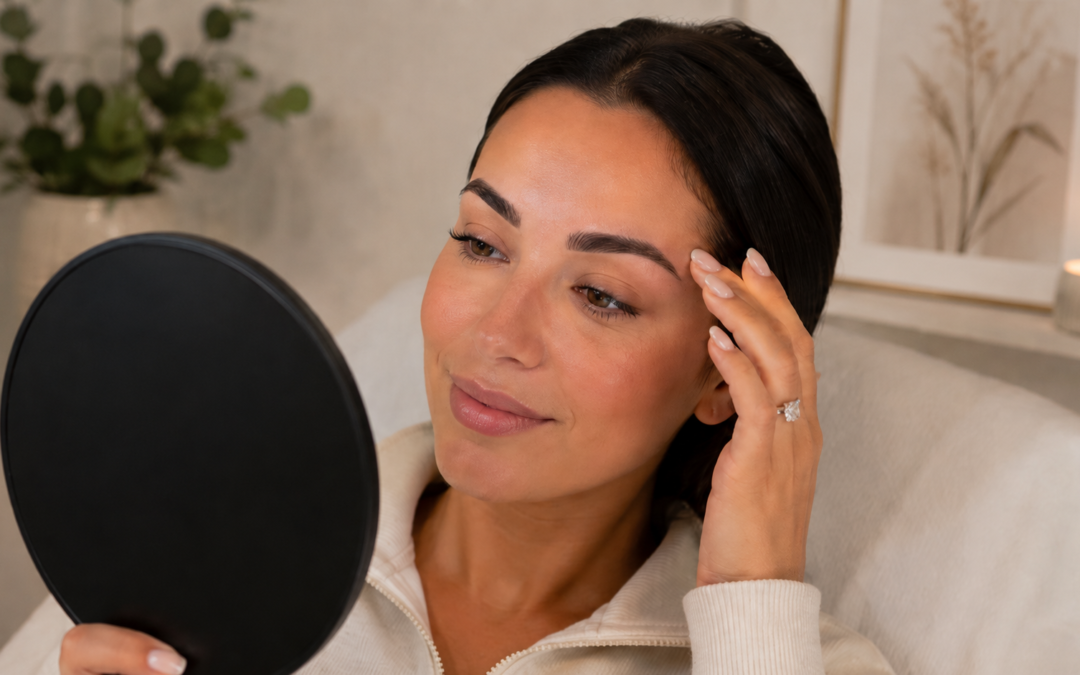
Getting your brows microbladed is exciting. After years of filling them in, trying to create symmetry, or feeling like your brows disappear without makeup, it can feel like such a relief to finally have a more polished, defined shape.
But the appointment itself is only one part of the process.
The way your brows heal after microblading matters. Proper aftercare helps support better pigment retention, cleaner healed results, and a smoother overall experience. While every client heals a little differently, understanding what to expect — and what to avoid — can make the process feel much less intimidating.
At Ro & Co Aesthetics in Sioux Falls, microblading is designed to create soft, natural-looking brows that enhance your features. Aftercare is part of protecting that investment so your results can heal as beautifully as possible.
Here is what you need to know about caring for your brows after microblading.
Why Microblading Aftercare Matters
Microblading uses a fine manual tool to create tiny hair-like strokes in the skin. These strokes are placed with pigment to mimic the appearance of natural brow hairs. Because microblading involves the skin, your brows need time to heal properly.
During the healing process, the skin is recovering while the pigment settles. What you do in the days and weeks after your appointment can affect how evenly your brows heal and how much pigment your skin retains.
Following your aftercare instructions helps minimize unnecessary irritation, protects the treated area, and gives your brows the best chance of healing softly and evenly.
Think of aftercare as the finishing step in your brow service. Your artist creates the shape and strokes, but your healing process helps determine the final result.
What to Expect Immediately After Microblading
Right after your appointment, your brows will likely look darker, bolder, and more defined than the final healed result. This is completely normal.
Many clients love how their brows look immediately after the service, but some are surprised by how dark they appear at first. The color will soften as the brows heal. The initial intensity is not your final result.
You may also notice mild redness, tenderness, or slight swelling around the brow area. This usually calms down quickly, but it is normal for the skin to feel a little sensitive after treatment.
Your brows may also look very sharp and structured at first. As the skin heals, the strokes soften into a more natural appearance.
The First 24 Hours After Microblading
The first day after your appointment is important because your brows are fresh and the skin is newly treated.
During this time, you want to keep the area clean and protected according to the specific instructions given by your brow artist. Avoid touching your brows unnecessarily, and make sure your hands are clean if you need to care for the area.
You should also avoid applying makeup, skincare, or other products directly on or around the brows unless instructed. The goal is to keep the area free from anything that could irritate the skin or interfere with healing.
Your brows may feel slightly tight or tender. That is normal and part of the early healing phase.
What to Avoid After Microblading
One of the most important parts of microblading aftercare is knowing what not to do.
For the best healed results, avoid anything that causes excess moisture, sweating, friction, or irritation around the brow area while the skin is healing.
This typically includes avoiding:
Heavy sweating
Saunas
Steam rooms
Hot yoga
Swimming
Direct sun exposure
Tanning beds
Picking or scratching
Brow makeup
Harsh skincare near the brows
Exfoliating products
Retinol or active ingredients around the brow area
Even though it can be tempting to return to your normal routine right away, giving your brows time to heal is worth it. Sweat, steam, and friction can all impact pigment retention and may cause the brows to heal unevenly.
Do Not Pick or Scratch Your Brows
This is one of the biggest aftercare rules: do not pick.
As your brows heal, they may begin to flake or scab lightly. This is normal. The skin is renewing, and the pigment is settling. It can be tempting to touch the area or remove flakes, especially if your brows look patchy during this stage.
Resist the urge.
Picking can pull out pigment, create uneven healed results, and irritate the skin. Let the flakes fall away naturally. This part of the process is temporary, and it does not represent your final result.
If your brows look uneven during healing, that does not mean something is wrong. It is common for the brows to go through several stages before they settle.
The Microblading Healing Timeline
Every client heals differently, but most people go through a similar general timeline.
Days 1–3: Brows Look Darker and More Defined
In the first few days, your brows will usually look bold, crisp, and darker than expected. This is normal. The pigment is fresh, and the skin has not fully healed yet.
You may feel excited, or you may feel a little nervous because the brows look more dramatic than you imagined. Trust the process. They will soften.
Days 4–7: Flaking May Begin
Around this stage, the brows may begin to feel dry or tight. Light flaking or scabbing can appear. This is where aftercare becomes especially important.
Do not pick, peel, rub, or scrub. Let the brows heal naturally.
Days 7–14: Brows May Look Patchy or Light
This is the stage that can worry clients the most. Your brows may look lighter, uneven, or like some pigment has disappeared. This is often called the “ghosting” stage.
The pigment can appear hidden under new skin as the brows continue to heal. This does not always mean the color is gone. It often resurfaces as the skin settles.
Weeks 3–4: Brows Begin to Settle
As healing continues, the color and shape start to soften and become more balanced. Your brows may look more natural and less intense than they did immediately after the appointment.
Weeks 6–8: Touch-Up Timing
Most microblading services include or recommend a follow-up appointment once the brows have fully healed. This touch-up allows your artist to assess pigment retention, fill in any areas that healed lighter, and perfect the final shape.
The touch-up is an important part of the process, not a sign that something went wrong.
Why the Touch-Up Appointment Matters
Microblading is typically a two-step process. The first appointment creates the foundation, and the touch-up refines the result.
Because everyone’s skin heals differently, some areas may retain pigment better than others. Your artist cannot fully predict exactly how your skin will heal after the first appointment. The touch-up gives them the opportunity to make adjustments once the healed result is visible.
During your touch-up, your artist may deepen the color, add additional strokes, adjust small areas of symmetry, or build more density where needed.
Skipping your touch-up can leave your brows looking unfinished or less balanced than they could be.
Can You Wear Makeup After Microblading?
You should avoid applying makeup directly on or around the brows while they are healing. Makeup can introduce bacteria, irritate the skin, or interfere with the healing process.
Once your brows are fully healed, you can return to your normal makeup routine. Many clients find they need much less brow makeup after microblading, which is one of the biggest benefits of the service.
For the first stage of healing, keep makeup away from the brow area and follow the instructions provided at your appointment.
Can You Work Out After Microblading?
It is best to avoid intense workouts and heavy sweating during the early healing period. Sweat can affect the treated area and may interfere with how the pigment settles.
If fitness is a regular part of your routine, plan your appointment around your schedule. Consider taking a few lower-intensity days after your microblading appointment so you can protect your results.
Light movement may be fine depending on your artist’s instructions, but anything that causes significant sweating should be avoided during the initial healing phase.
How to Sleep After Microblading
Try to avoid sleeping directly on your brows while they heal. Friction from your pillow can irritate the skin or disturb the healing area.
Sleeping on your back is ideal during the first part of the healing process. If you are usually a side sleeper, try to be mindful of your brow area and keep your pillowcase clean.
Small details like this can help protect your results.
Skincare Ingredients to Be Careful With
Certain skincare ingredients can affect permanent makeup retention, especially when used too close to the brow area.
Products with retinol, acids, exfoliants, or strong active ingredients should generally be kept away from the brows while healing. Even after your brows are healed, using aggressive skincare directly over the brow area may cause pigment to fade faster.
This is especially important if you use anti-aging skincare, acne products, peels, or exfoliating treatments. Your brow artist can guide you on what to avoid and when it is safe to resume your normal products.
How to Help Your Microblading Last Longer
Once your brows are healed, long-term care helps maintain your results.
To help your brows last longer, protect them from excessive sun exposure, avoid harsh exfoliating products over the brow area, and follow your artist’s recommendations for refresh appointments.
Sun exposure can cause pigment to fade faster, so wearing SPF around the face once fully healed is important. Be careful not to apply sunscreen directly onto fresh brows until your artist says it is safe.
Microblading will naturally fade over time, but thoughtful care can help your brows stay beautiful longer.
What If Your Brows Look Uneven While Healing?
It is very common for brows to look uneven, patchy, dark, light, or inconsistent at different points in the healing process. Try not to judge your results too early.
Brows do not heal in one straight line. They go through stages. One brow may flake more than the other. One area may look lighter before the pigment settles. This is why the final healed result is assessed several weeks after the initial appointment.
If you have concerns during healing, reach out to your artist rather than trying to fix or treat the area yourself.
Final Thoughts: Trust the Healing Process
Microblading can be a beautiful option for creating more balanced, natural-looking brows, but healing is part of the journey. The best results come from a combination of skilled artistry, proper technique, and careful aftercare.
Your brows may look darker at first, then flaky, then lighter, then softer and more settled. This is normal. The process takes patience, and the touch-up appointment helps complete the result.
If you are investing in permanent makeup brows, give your skin the time and care it needs to heal well.
At Ro & Co Aesthetics in Sioux Falls, each brow service is designed with your features, skin, and goals in mind. With the right aftercare, your microbladed brows can heal into a soft, flattering result that makes your everyday routine feel easier.
Ready for Brows That Feel Effortless?
Beautiful brows start with thoughtful design — and they continue with proper care.
Book your microblading consultation with Ro & Co Aesthetics in Sioux Falls to learn whether microblading is the right fit for your skin, lifestyle, and brow goals.